
The evolution of gambling Tracing the historical roots of games of chance
The Ancient Beginnings of Gambling
The origins of gambling can be traced back to ancient civilizations, where games of chance were woven into the fabric of daily life. Archaeological evidence suggests that as early as 3000 BC, dice made from knucklebones were used in Mesopotamia. These primitive forms of gambling often served not only as entertainment but also as methods for divination and decision-making. Ancient Egyptians also engaged in betting games, with references found in hieroglyphs that depict various games resembling modern dice games. Today, the universal appeal of these activities can still be seen, reflected in platforms such as http://www.great-win-casino.org.

In China, gambling has a rich history dating back thousands of years. The earliest recorded instances of gambling involve the use of tiles and betting on the outcome of events, such as military battles or outcomes of political affairs. By the Han Dynasty, around 200 BC, the Chinese began to formalize gambling games, leading to the development of games like Keno, which is still played today. The role of gambling in ancient societies reflects a deep cultural connection between chance and human experience.
The Greeks and Romans also had their share of gambling activities, including the popular game of knucklebones. The Romans took gambling to new heights, with public games that included dice and betting on chariot races. These activities were often linked with social gatherings, establishing gambling as a communal experience. The influence of these ancient cultures has laid the groundwork for the gambling practices we observe in the modern world.
The Middle Ages and the Rise of Gaming Houses
As civilizations evolved, so did gambling practices. During the Middle Ages, in Europe, various forms of gambling became increasingly popular, leading to the establishment of gaming houses. These venues catered to the aristocracy and common folk alike, providing a space for social interaction and entertainment. Games such as cards and dice became staples in these establishments, often accompanied by extravagant feasts, establishing a social culture around gambling.
The introduction of playing cards in the late 14th century marked a significant shift in gambling culture. Originating from Asia, cards quickly spread across Europe, leading to the creation of numerous card games that allowed for both chance and strategy. This period also saw the emergence of gambling laws, as authorities sought to regulate these burgeoning activities, reflecting the growing societal concerns about the influence of gambling on morality and behavior.
Despite attempts at regulation, gambling flourished during the Renaissance, with the rise of lotteries as a state-sanctioned form of betting. These lotteries provided funding for public projects while offering citizens a chance to win significant prizes. The combination of chance, social status, and the allure of wealth made gambling an integral part of European culture during this period, setting the stage for its evolution in the centuries to come.
The Birth of Modern Gambling and Casinos
The 17th and 18th centuries ushered in the birth of modern gambling, with the establishment of the first official casinos. The Casino di Venezia, opened in 1638, is widely regarded as the world’s first legal casino, providing a formal setting for gambling activities. As more casinos began to open across Europe, they became emblematic of luxury and glamour, attracting nobility and wealthy patrons. This period also saw the development of various casino games, such as roulette and baccarat, which remain popular to this day.
During this time, the concept of betting evolved, with the introduction of sports betting gaining traction. Horse racing, in particular, became a major spectacle, with bets placed not only by the wealthy but also by the general populace. The growth of bookmaking and the establishment of racetracks helped solidify betting as a widely accepted form of entertainment, further embedding gambling into societal norms.
By the 19th century, gambling had expanded to the United States, with the establishment of casinos in places like New Orleans and later, Las Vegas. This evolution paved the way for the modern casino culture we see today, characterized by a diverse array of games, lavish environments, and an emphasis on customer experience. The legacy of these early casinos continues to influence the gambling industry, making it a global phenomenon.
The Digital Revolution and Online Gambling
The late 20th century brought about a significant transformation in the gambling landscape with the advent of the internet. Online gambling began to gain traction in the 1990s, with the launch of the first online casinos and poker rooms. This digital revolution not only made gambling more accessible to a global audience but also transformed how games were played and experienced. Players could now enjoy their favorite games from the comfort of their homes, leading to a surge in online gambling popularity.
The technology behind online gambling platforms advanced rapidly, incorporating innovative features such as live dealer games, virtual reality, and mobile compatibility. These enhancements created immersive experiences that mimicked the excitement of traditional casinos, catering to a new generation of players. Furthermore, online gambling introduced the concept of cryptocurrency, allowing for anonymous betting and faster transactions, reshaping the financial landscape of gambling.
Regulatory frameworks also evolved to keep pace with the growth of online gambling. Many countries implemented laws to govern online gaming, ensuring player protection and promoting responsible gambling practices. As a result, the online gambling industry has flourished, offering an extensive range of games, bonuses, and loyalty programs that appeal to a diverse audience. This shift signifies a new chapter in the evolution of gambling, where tradition meets innovation.
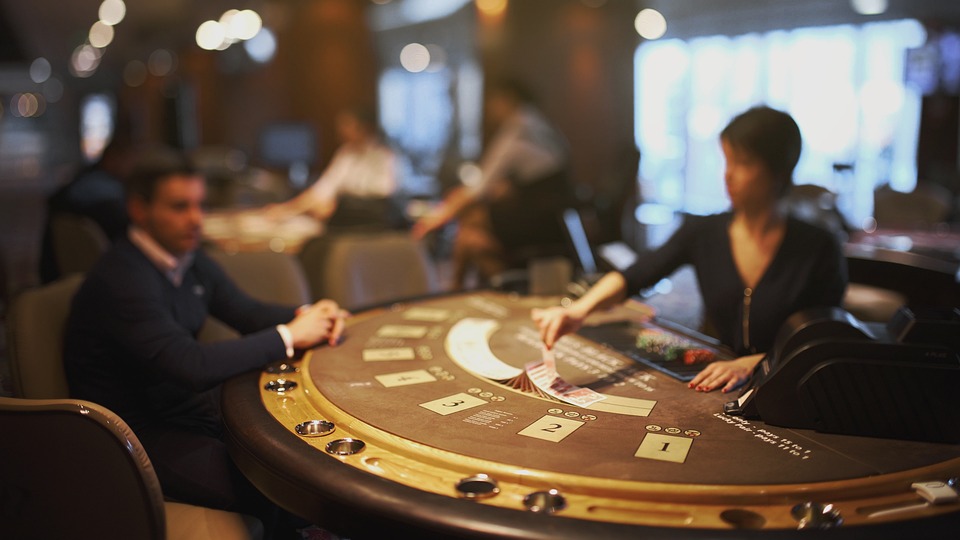
GreatWin Casino: The Future of Gambling
GreatWin Casino represents a modern evolution in the world of gambling, combining the rich history of games of chance with cutting-edge technology. With a vast library of over 4,000 titles, including slots, table games, and live dealer experiences powered by top-tier providers, GreatWin offers players an engaging and dynamic gaming environment. The platform is designed with user experience in mind, ensuring seamless mobile access and a variety of wagering options.
New players are welcomed with enticing bonuses, including a generous deposit match and free spins, enhancing their initial gaming experience. The casino also features a structured loyalty program, rewarding active players with exclusive perks and cashback, which fosters a sense of community among users. With a commitment to security and 24/7 customer support, GreatWin Casino aims to provide a trustworthy environment for players to enjoy their favorite games.
As the gambling industry continues to evolve, platforms like GreatWin are at the forefront, merging historical gaming traditions with modern technology. The future of gambling is bright, with innovative developments promising to enhance player experiences and expand the global reach of games of chance. Whether new to gambling or a seasoned player, GreatWin Casino stands as a testament to the enduring allure of chance and entertainment.
Leave a Reply